Think Safe, Stay Safe: Simple Habits to Protect Yourself and Your Loved Ones
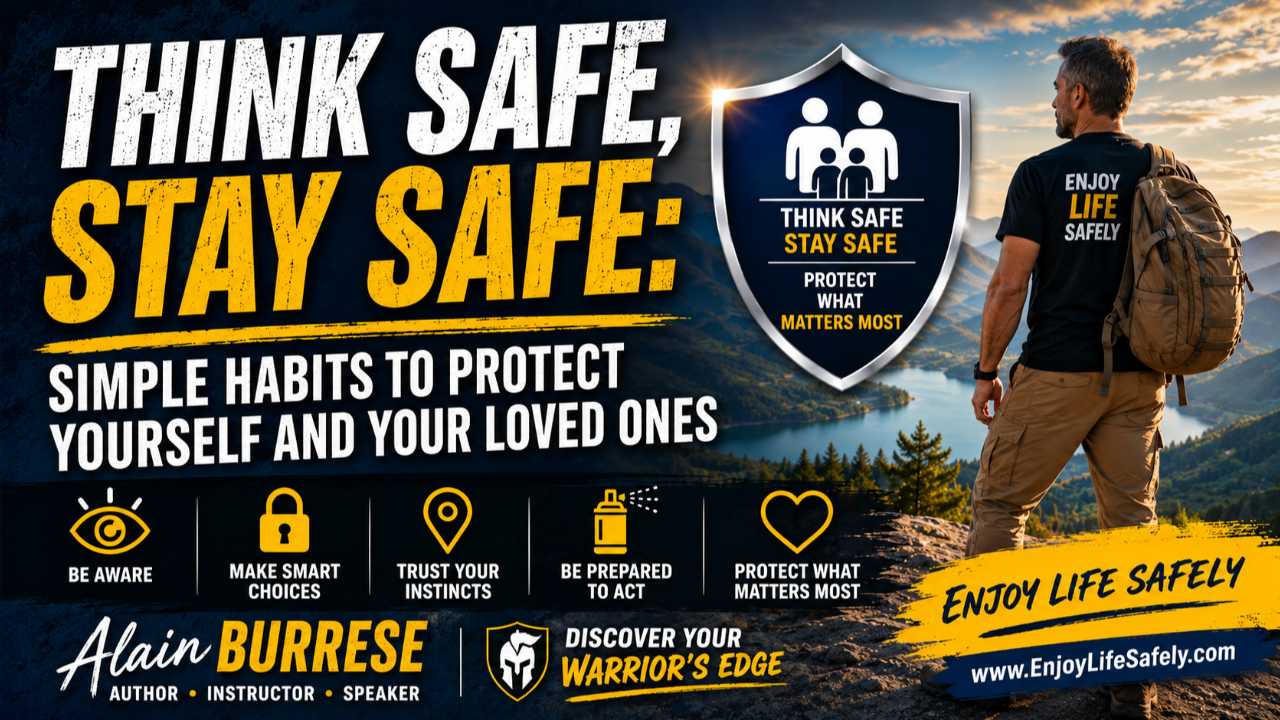
One of the biggest misconceptions about personal safety is that being safety conscious means living in fear. I don't believe that at all.
I love traveling to new places, trying new restaurants, attending concerts and sporting events, exploring museums, and experiencing everything life has to offer. I don't hesitate to go somewhere because something bad might happen. Instead, I simply think about safety before I go so I can relax and enjoy the experience once I'm there.
That's what thinking safe is all about.
Keeping yourself and your loved ones safe starts with thinking ahead and being prepared. It doesn't require dramatic lifestyle changes or living in constant worry. It simply means developing habits that help you stay alert, recognize potential problems early, and respond if something unexpected happens.
Thinking safe means making choices that put safety first without taking away from the fun. It can be as simple as noticing the exits when you enter a building, parking in a well-lit area, locking your doors, keeping your phone charged, or paying attention to the people around you. These small habits don't take much effort, but they can make a tremendous difference.
Of course, awareness is only part of the equation. Staying safe also means being prepared to act if necessary.
I encourage people to learn basic self-defense skills and carry practical personal safety tools, such as Reflex Protect defensive spray, if they're legal where you live. Having the right tools is important, but so is having the confidence and training to use them if you ever need to.
Another habit I encourage is trusting your instincts. If something doesn't feel right, don't ignore that feeling. Leave. Change direction. Ask for help. Most situations are easier to avoid than they are to fight your way out of. Acting early often prevents a problem from becoming a crisis.
When you make safety a habit, you're not just protecting yourself. You're helping protect your spouse, children, friends, and everyone who depends on you. The goal isn't to become paranoid. The goal is to become prepared.
People sometimes ask why I spend so much time teaching safety, self-defense, and developing what I call the Warrior's Edge. The answer is simple. I want people to experience more of life, not less. I want families to travel with confidence, enjoy concerts, sporting events, restaurants, parks, and everyday adventures without unnecessary fear. A little preparation goes a long way toward making that possible.
That's exactly why I'm developing the Enjoy Life Safely Blueprint. My mission is to help people gain the knowledge, develop the skills, and build the habits they need to enjoy more of life safely and confidently. Safety isn't about avoiding life. It's about preparing yourself so you can experience more of it.
I often tell people that I don't let fear decide where I go or what I do. I simply make safety part of the plan. That allows me to confidently visit new places, experience new adventures, and enjoy life knowing I've done what I reasonably can to protect myself and the people I'm with.
Think Safe. Stay Safe.
When you prepare before something goes wrong, you're free to focus on what really matters: making memories, enjoying new experiences, and living life with confidence. That's what it means to Enjoy Life Safely.