Deterring Attacks and Attackers: A Proactive Approach to Self-Defense
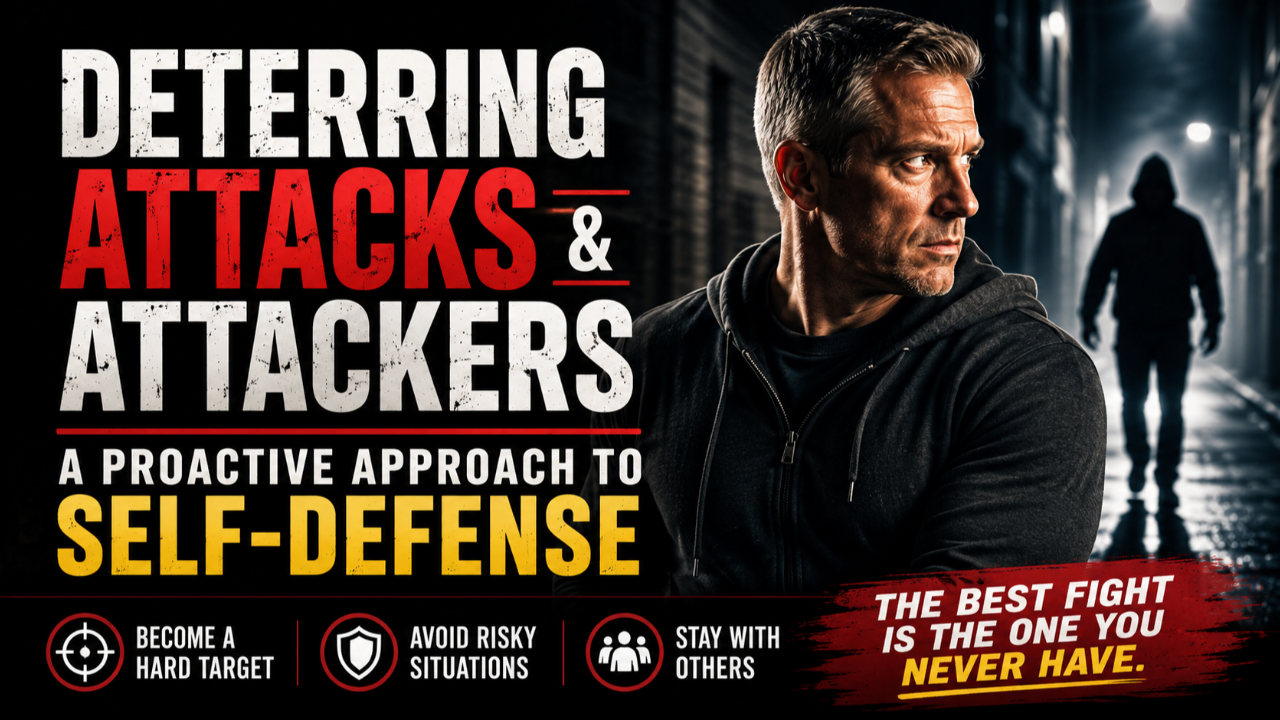
When people think of self-defense, they often picture martial arts techniques, punches, kicks, and physical confrontations. While those skills certainly have their place, they are only part of the self-defense equation. One of the most effective ways to protect yourself is to prevent an attack from happening in the first place.
The best fight is often the one you never have to fight.
I have been fortunate in many ways when it comes to personal safety. I grew up being active, playing sports, exercising, and, yes, getting into my share of playground fights as a kid. In high school, I competed in Judo. Later, I joined the Army and served with some very tough units, including the 82nd Airborne Division and the 2nd Infantry Division in South Korea. Those experiences helped build confidence, resilience, and a mindset that projected strength.
At one point during my military years, I was running sub-six-minute miles and bench pressing over 315 pounds. Physically, I was not the type of person many criminals would choose as a target. My appearance, body language, confidence, and awareness all worked together to make me a less attractive victim.
But I also understand that not everyone has that background. Not everyone is physically imposing, highly athletic, or trained in martial arts. The good news is that many of the things that make someone a harder target have very little to do with size, strength, or fighting ability.
Become a Hard Target
Criminals generally look for easy victims. They seek people who appear distracted, unaware, isolated, intimidated, or vulnerable. They prefer targets who seem unlikely to notice trouble early or resist effectively.
One of the simplest ways to reduce your risk is to project confidence and awareness. Walk with purpose. Keep your head up. Make eye contact when appropriate. Stay aware of what is happening around you.
Far too many people move through the world staring at their phones, wearing earbuds, and paying little attention to their surroundings. That behavior can make someone look like an easy opportunity.
Your body language communicates a great deal. Good posture, confident movement, and awareness send a message that you are paying attention and may not be worth the risk.
Avoid Risky Situations
Another important aspect of self-defense is avoiding situations that increase your chances of becoming a victim.
This does not mean living in fear. It means using common sense.
Whenever possible, avoid isolated areas, especially after dark. Park in well-lit locations. Be aware of who is around you. Know where the exits are when entering a building. If something feels wrong, leave.
Over the years, I have traveled extensively throughout the United States and around the world. More than once, situational awareness allowed me to recognize potential problems before they developed into dangerous situations. Listening to your instincts and taking action early can prevent a great deal of trouble.
Your intuition exists for a reason. Trust it.
Stay With Others When Possible
There is strength in numbers.
Attackers are often looking for isolated individuals because they present less risk. A group creates witnesses, increases uncertainty for the criminal, and often removes the opportunity altogether.
When possible, stay with friends, family members, coworkers, or other trusted people, especially in unfamiliar environments. If you are alone, spend time in public areas where other people are present.
Looking out for one another is also an important part of personal safety. Walk a coworker to their car. Check on neighbors. Pay attention to people around you who may need assistance.
Communities become safer when people care about each other.
Self-Defense Begins Before the Attack
Many people want to learn what to do once an attack starts. That's important. I teach self-defense and personal protection because there are times when physical action becomes necessary.
However, true self-defense begins long before a punch is thrown or a weapon is displayed.
It starts with awareness.
It continues with good decisions.
It includes avoiding unnecessary risks, recognizing danger early, and making yourself a difficult target.
These skills work regardless of your age, size, gender, athletic ability, or physical condition.
The goal is not to prove how tough you are. The goal is to stay safe.
By becoming a hard target, avoiding dangerous situations, staying aware, and remaining connected with others, you greatly improve your chances of avoiding trouble altogether.
And when it comes to self-defense, prevention will always be one of the most powerful tools you have.