Preventing Tragedy: Keeping Kids Safe from Hot Cars This Summer
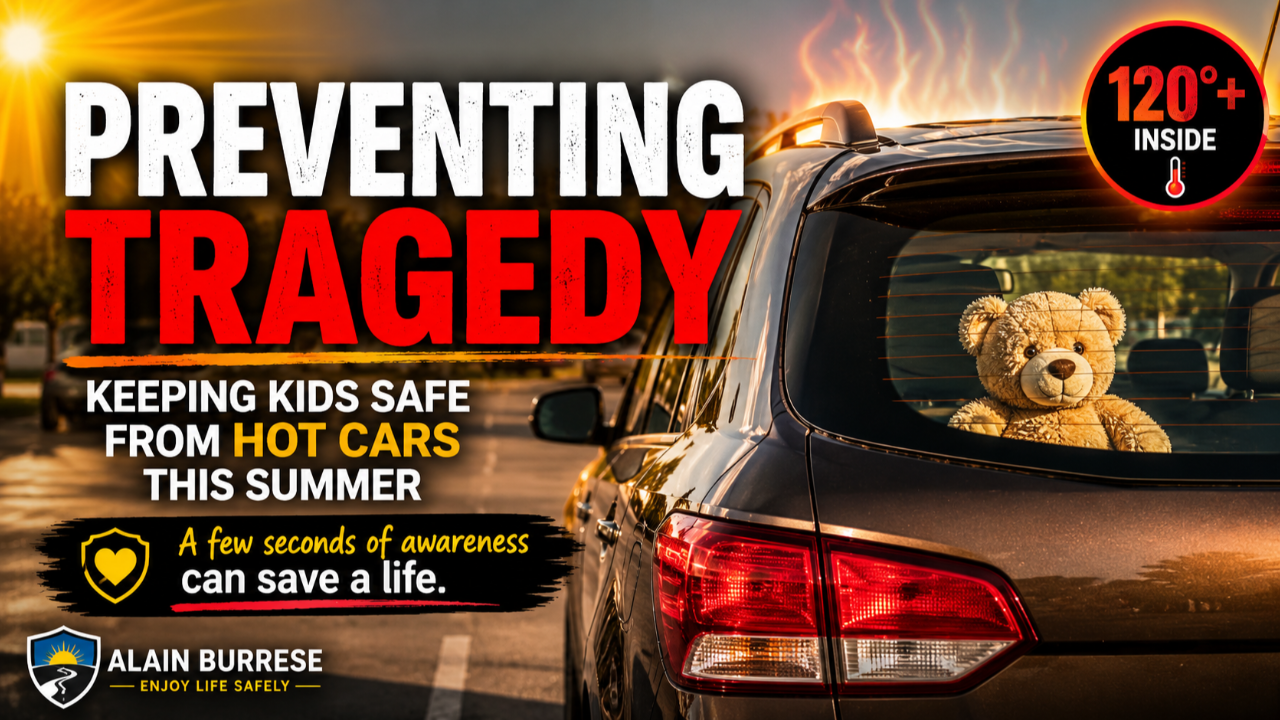
Over the years, I've written newsletter articles, recorded podcasts, created YouTube videos, and published blog posts about the dangers of children being left in hot cars. Unfortunately, despite ongoing awareness campaigns and repeated warnings from safety experts, this tragedy continues to happen every summer.
That's why I'm covering the topic again.
Every year, children lose their lives after being left in overheated vehicles. These heartbreaking incidents make headlines for a few days, people express shock and sadness, and then the stories fade away—until the next tragedy occurs. The problem hasn't gone away, and that's why it's important to keep talking about it.
As temperatures rise during the summer months, parents, grandparents, babysitters, and caregivers need to understand the risks and take simple steps to prevent a devastating mistake. A few moments of awareness can make the difference between a normal day and an unimaginable tragedy.
Understand the Danger
Many people underestimate just how quickly a vehicle can become deadly. A parked car can heat up rapidly, even when the outside temperature feels comfortable. On a 70-degree day, the temperature inside a vehicle can climb well over 100 degrees in a short period of time. During the hottest summer months, temperatures inside a parked vehicle can reach life-threatening levels in minutes.
Children are especially vulnerable because their bodies heat up much faster than adults. In fact, a child's body can heat three to five times faster than an adult's. When body temperature rises above 104 degrees, heatstroke can occur. Once body temperature reaches 107 degrees, the situation can quickly become fatal.
What makes these tragedies especially heartbreaking is that many involve loving, responsible parents and caregivers. Often, a change in routine, stress, fatigue, or distraction contributes to the mistake. No one wakes up intending to leave a child in a vehicle, but it happens far more often than most people realize.
Create Habits That Protect Your Child
One of the best defenses against tragedy is developing consistent routines.
Place something you absolutely need—your purse, phone, briefcase, work badge, or laptop—in the back seat next to your child. Doing so forces you to open the back door before leaving the vehicle.
Another popular reminder is placing a stuffed animal in the front passenger seat whenever your child is riding in the back. The stuffed animal serves as a visual cue that a child is in the vehicle.
Simple habits can prevent devastating consequences.
Let Technology Help
Technology can provide another layer of protection.
Many newer vehicles include rear-seat reminder systems that alert drivers to check the back seat before exiting. Some child safety seats also include sensors and smartphone alerts that notify caregivers if a child remains buckled in the seat.
While technology should never replace personal responsibility, it can serve as an important backup when life gets busy and distractions occur.
Communication Matters
Make sure everyone who transports your child understands the risks.
Parents, grandparents, babysitters, relatives, friends, and childcare providers should all be aware of the dangers associated with hot cars. Discuss safety procedures and encourage everyone to adopt habits that help prevent mistakes.
If someone else is responsible for dropping your child off at daycare, school, camp, or another activity, consider establishing a communication system. A quick text message confirming arrival can provide peace of mind and help identify problems before they become emergencies.
Never Leave Children in a Vehicle—Not Even for a Minute
One of the most dangerous assumptions people make is believing they'll "just be a minute."
A quick stop at a convenience store, gas station, or post office can take longer than expected. Temperatures inside a vehicle continue rising, and a child can become distressed much faster than many people realize.
The safest choice is simple: if the child is coming with you, take the child with you every time.
If You See Something, Do Something
If you notice a child alone in a vehicle, don't assume someone else has already called for help.
Take action immediately. Call 911 or your local emergency services. If the child appears distressed, unresponsive, or in immediate danger, act quickly according to local laws and emergency guidance. Your willingness to intervene could save a life.
Too often, bystanders assume someone else will handle the situation. When it comes to a child's safety, it's better to act than to regret doing nothing.
Final Thoughts
I've covered the dangers of hot cars in newsletter articles, podcasts, YouTube videos, and previous blog posts over the years. The reason I continue returning to this topic is simple: children are still dying in hot cars every summer.
As long as these tragedies continue to happen, it's worth repeating the message.
Preventing these incidents doesn't require special training or expensive equipment. It requires awareness, good habits, communication, and a commitment to always check the back seat.
A few seconds spent making sure a child isn't left behind can prevent a lifetime of regret.
One final reminder: children aren't the only victims of hot vehicles. Every summer, pets are also seriously injured or killed after being left in parked cars. If you're traveling with your dog or other pets, make plans that keep them safe and out of dangerous heat.
Stay alert, stay safe, and help protect those who depend on you.