Neatness Is a Success Strategy
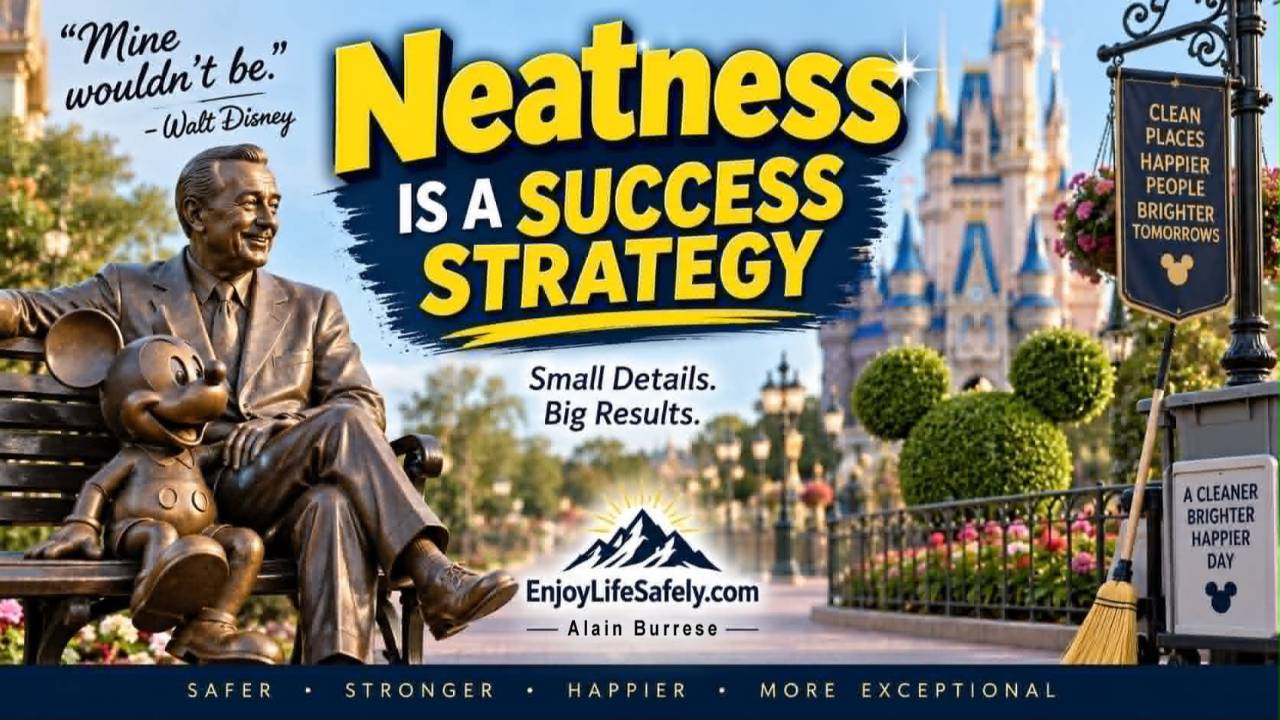
When Walt Disney was creating Disneyland, his wife reportedly questioned his idea.
“When I started on Disneyland, my wife used to say, ‘But why do you want to build an amusement park? They’re so dirty.’ I told her that was just the point. Mine wouldn’t be.”
— Walt Disney
There is a powerful lesson in that short exchange.
Disney wasn't simply building another amusement park. He was looking at what people expected from amusement parks and asking how he could do it better.
Cleanliness and appearance became part of the experience.
And I believe that's something we can learn from, whether we're running a business, doing our jobs, maintaining our homes, or simply trying to become better versions of ourselves.
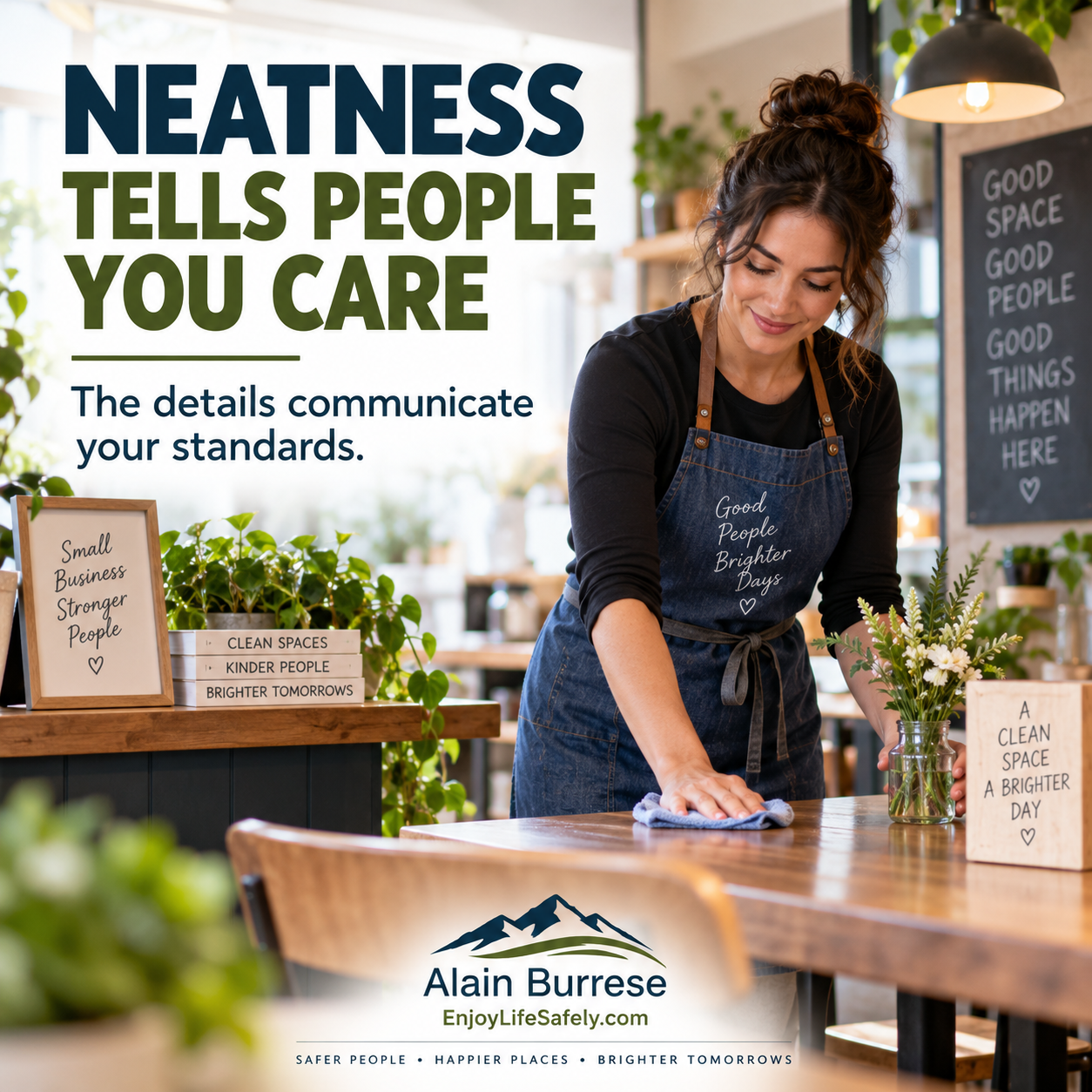
Neatness Tells People You Care
I've visited Disney parks in California, Florida, and Japan. One thing I've noticed at all of them is how much attention is paid to keeping the parks neat and attractive.
Trash gets picked up. Spills get cleaned. Bathrooms are maintained. The grounds are cared for.
That doesn't happen accidentally.
Think about the number of people who walk through a Disney park every day. Keeping everything clean and presentable is a nonstop job.
But that's part of the point.
When a company takes care of its property, customers notice.
It sends a message:
We care about this place.
And if you care about the place you're inviting me into, I'm more likely to believe you care about my experience while I'm there.
That's marketing.
Not marketing in the traditional sense of an advertisement, sales pitch, or social media campaign. It's marketing through the standards you demonstrate.
Appearances Create Expectations
Imagine walking into two businesses.
The first is clean and organized. Everything looks maintained. The employees look professional. The bathroom is clean. Someone obviously pays attention to the details.
The second has trash outside the entrance. Things are cluttered. The bathroom hasn't been cleaned. Employees look sloppy. Nobody seems concerned about any of it.
Which business do you trust more?
You may know absolutely nothing about what happens behind the scenes at either business. Yet you've already started forming an opinion.
That's human nature.
If I see that you take care of the little things, I'm more likely to believe you'll take care of the important things.
If everything I can see is neglected, I may start wondering about the things I can't see.
That's why neatness can be a marketing strategy.
Your surroundings are communicating something about you before you ever say a word.
This Applies to People Too
The same principle applies beyond business.
How we present ourselves sends a message.
That doesn't mean you need expensive clothes, a fancy office, or a perfectly manicured house.
It means taking care of what you have.
There is a difference between expensive and neat.
There is a difference between impressive and cared for.
A person can wear inexpensive clothing and look sharp. A small business can operate from a modest location and look professional. An older vehicle can be clean and maintained.
Neatness says, “I care.”
And that matters.
I Have to Work at This Too
I'm certainly not writing this from the perspective of someone who has everything perfectly organized all the time.
I don't.
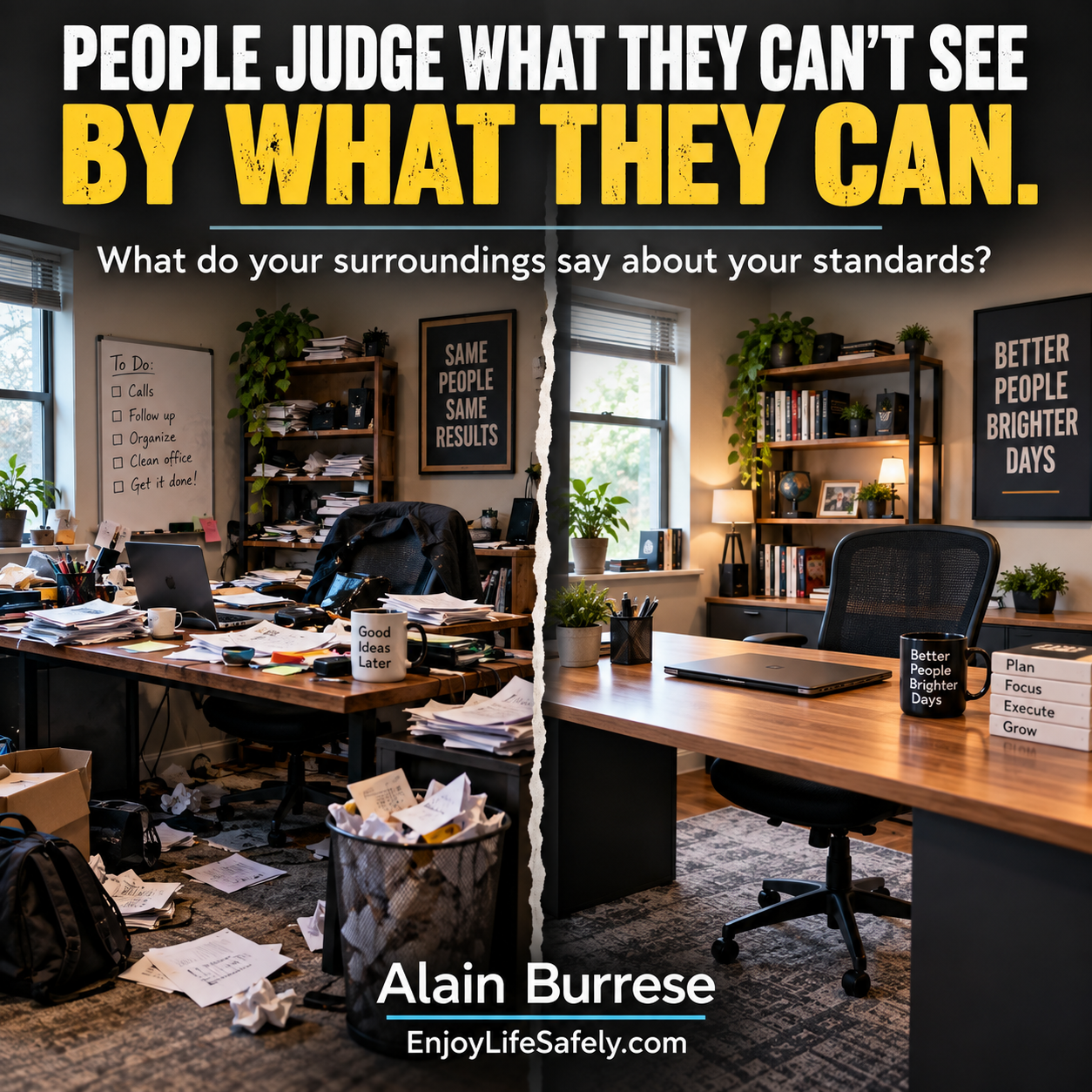
I've had times when I've let things pile up. Papers accumulate. Books accumulate. Stuff accumulates.
And clutter has a way of creating more clutter.
Recently, I've been doing a lot of downsizing and getting rid of things I don't need anymore. One thing I've noticed is that the less unnecessary stuff I have, the easier it becomes to keep things neat.
That's probably obvious, but experiencing it reinforces the lesson.
I'm continuing to work on making my own workspace cleaner and less cluttered.
Customers don't normally see my workspace, so I'm not doing it to impress anyone.
I'm doing it for me.
Because I've found that a cleaner, more organized environment makes it easier for me to work. There are fewer distractions. I can find what I need. I have more room to think, create, and produce.
So neatness isn't only about what other people think of us.
It can affect how we perform.
Neatness Requires Maintenance
There's another important lesson from Disney parks.
You don't clean a place once and declare the job finished.
Thousands of people arrive tomorrow.
More trash gets dropped. More food gets spilled. More bathrooms get used.
You clean it again.
The same thing happens in our lives.
You organize your desk, and then work happens.
You clean your house, and then you live in it.
You organize your files, and then more files arrive.
You clean your inbox, and then more emails show up.
Staying neat is not a one-time project. It's an ongoing habit.
The goal isn't perfection.
The goal is having a standard and continually returning things to that standard.
What Does Your Environment Say About Your Standards?
Take a look around.
If you're a business owner, walk into your business tomorrow and try to see it through the eyes of a first-time customer.
What does the entrance look like?
What about the parking lot?
The counter?
The bathroom?
Your employees?
Your website?
Your social media?
What message are those things sending?
And then do the same thing personally.
Look at your workspace.
Your vehicle.
Your clothing.
Your home.
The materials you give people.
The emails you send.
None of these things have to be perfect.
But do they communicate that you care?
Because people often use the things they can see to make assumptions about the things they can't.
Excellence Shows Up in the Details
Enjoy Life Safely isn't only about safety.
It's about becoming more capable, productive, prepared, and exceptional so we can enjoy more of life.
That requires standards.
And standards often reveal themselves in seemingly small things.
Picking up the trash.
Cleaning the bathroom.
Organizing the desk.
Straightening your clothes.
Putting something away instead of leaving it for later.
Taking care of what you have.
Walt Disney looked at amusement parks and saw something other people accepted as normal.
They're dirty.
His response was essentially: Mine won't be.
Maybe there's something in your business or your life that everyone else has simply accepted.
Maybe your response can be:
Mine won't be.
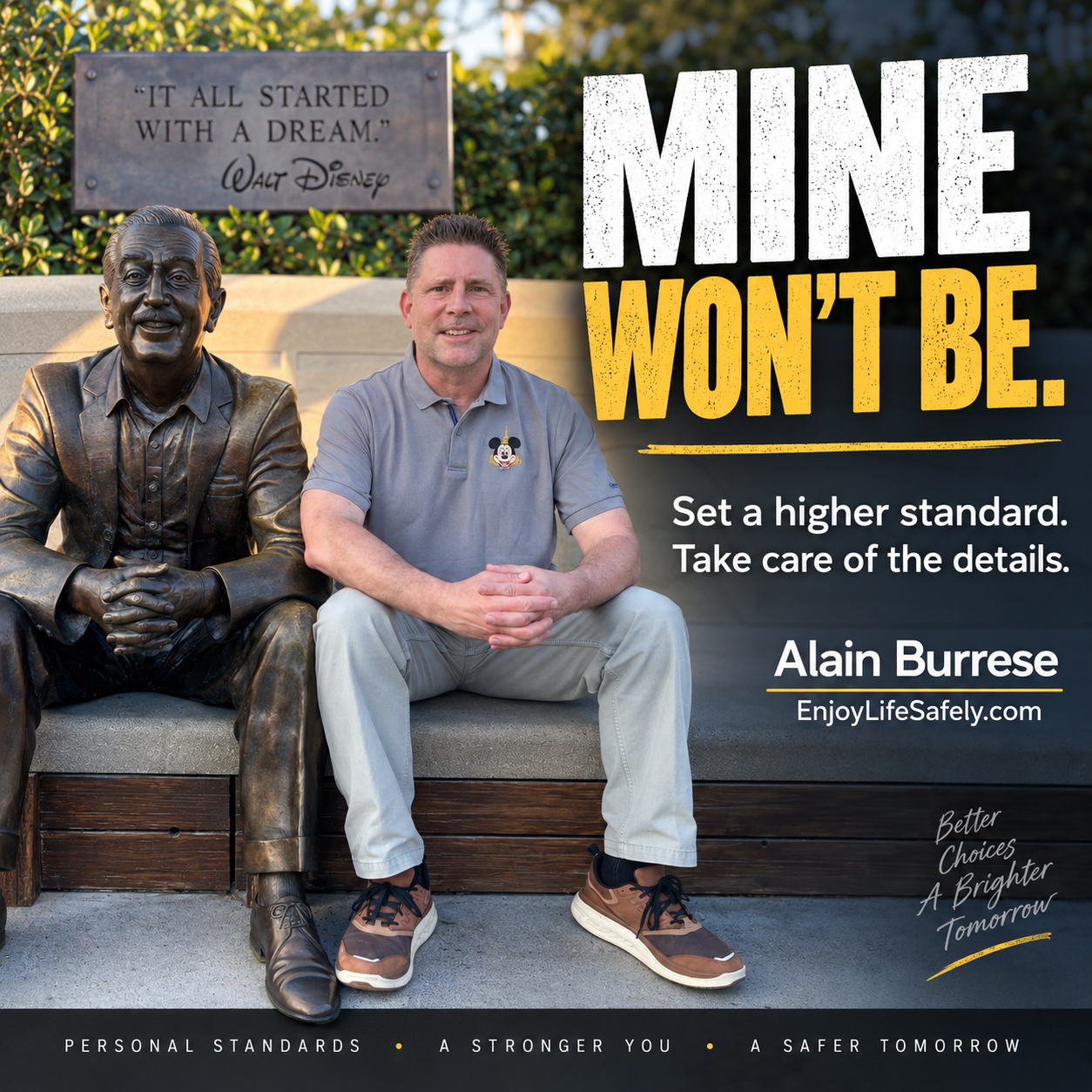
Set a higher standard.
Take care of the details.
Keep things neat.
Show people you care.
And just as importantly, show yourself that what you're doing is worth caring about.
Be exceptional.